Two MSU Postdocs Awarded JWST Proposals
The Astronomy Department would like to give a resounding congratulations to Dr. Peter Craig and Dr. Matthew Murphy for the acceptance of their JWST proposals.
The Cycle 5 proposal submissions for the James Webb Space Telescope (JWST) wrapped up this past fall. Each proposal cycle has progressively become more competitive, with Cycle 5 having a record of more than 2,900 proposals submitted (STScI), including many submitted by the faculty, postdocs, and students at MSU. Of the 225 selected General Observer (GO) proposals, two were awarded to postdocs Peter Craig and Matthew Murphy. This award grants them a rare opportunity to uncover what has never been explored before and make great headway in their respective fields.
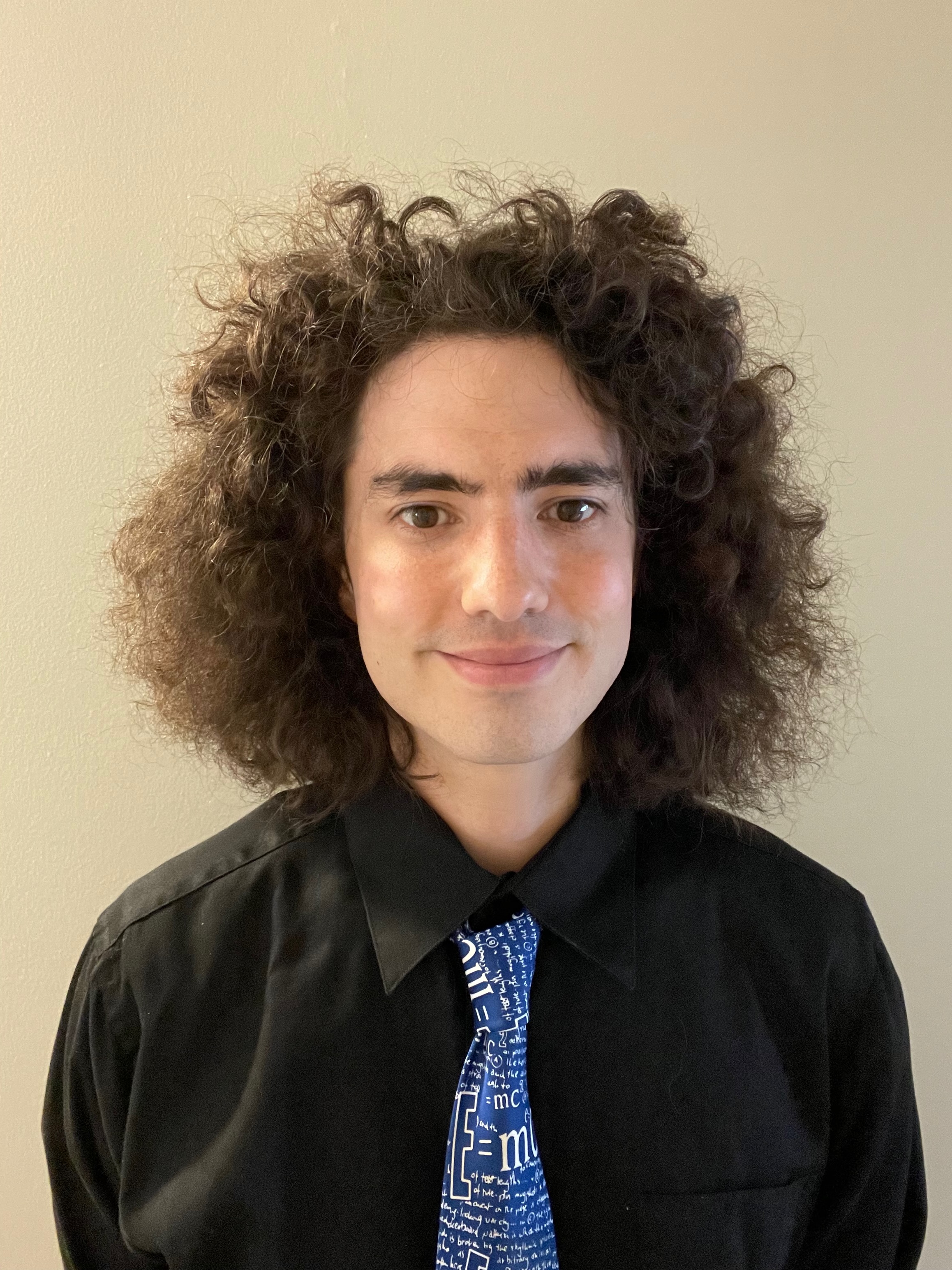
Dr. Peter Craig is a postdoc that has been at MSU since September of 2023, currently working with Dr. Laura Chomiuk and previously with former MSU postdoc Dr. Elias Aydi. Peter's research generally focuses on multiwavelength observations of classical novae, ranging from the IR through the gamma-rays.
Using JWST, he is hoping to answer questions about the gas and dust that is produced during these explosive events. These questions include but are not limited to, how much dust forms, where does it form, and for how long can it survive the harsh radiation from the central white dwarf? Peter has been granted 10 hours of JWST observing time and will be using the MIRI/MRS instruments to look at four Galactic novae remnants. With his observations he aims to make connection with models to better understand shocks within the novae ejecta. According to Peter, "These observations will be the first time that a nova remnant has ever been observed with JWST, which is pretty exciting!" and I'd have to agree.
Dr. Matthew Murphy has been a postdoc at MSU since August of 2025 and is working with Dr. Adina Feinstein. Currently, he is studying the compositions and climates of atmospheres on extra-solar worlds.
Everyone is aware that the Earth has volcanism. We have even detected volcanism in various locations throughout the solar system. But are we able to detect volcanism elsewhere? This is what Matthew has set out to do using JWST's NIRSpec instrument. If volcanism is confirmed to be happening on an exoplanet, "this would be the first detection ... outside of our Solar System, and kick off a new era of exogeoscience," says Matthew. Using his 48 hours of JWST observing time, he will be looking to confirm the presence volcanically outgassed chemicals in the atmosphere of exoplanet L98-59d and aims to rule out any alternative explanations.
The astronomy community here at MSU is exceptionally proud and excited to see the discoveries brought about by these two researchers.